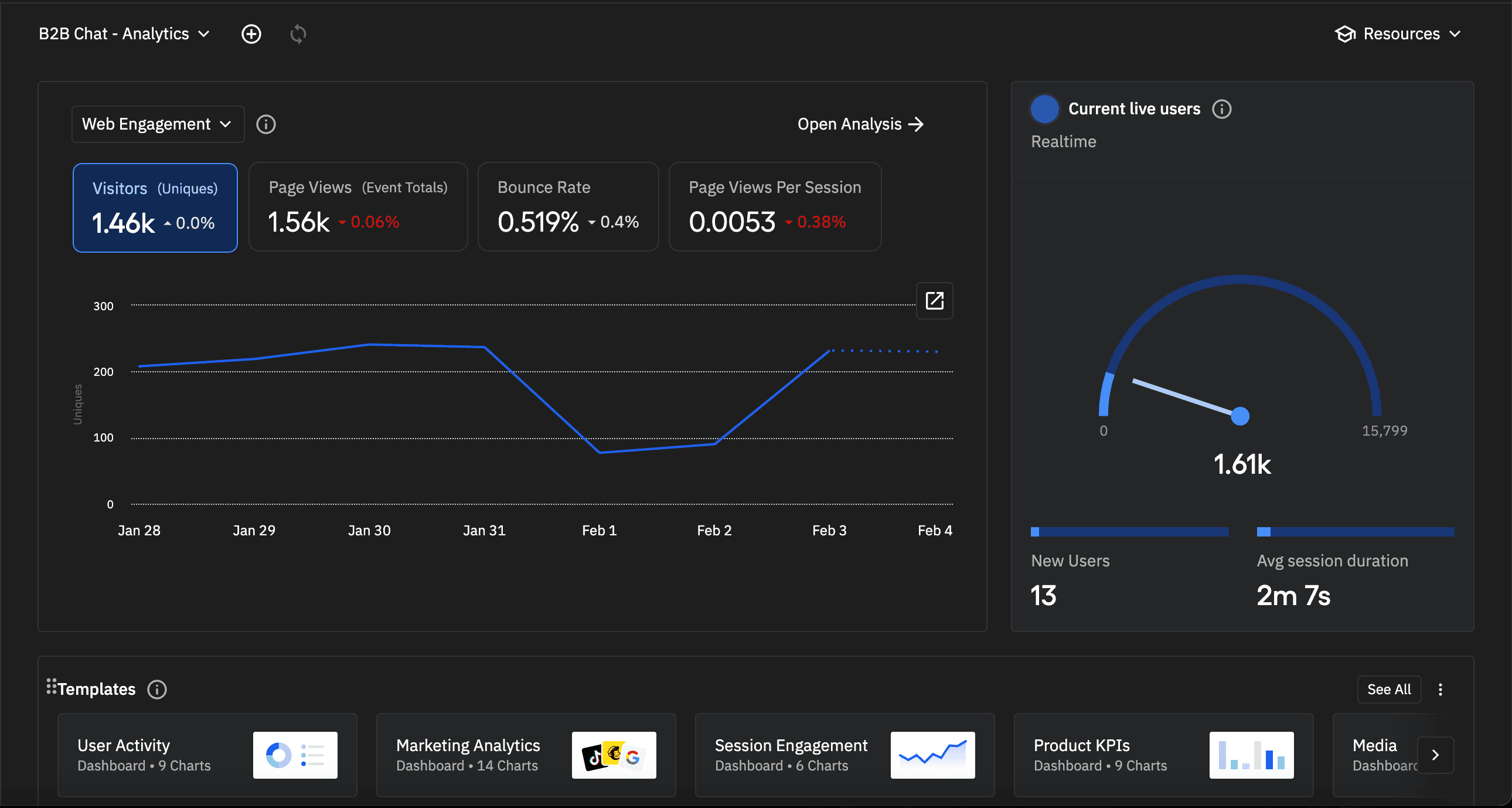
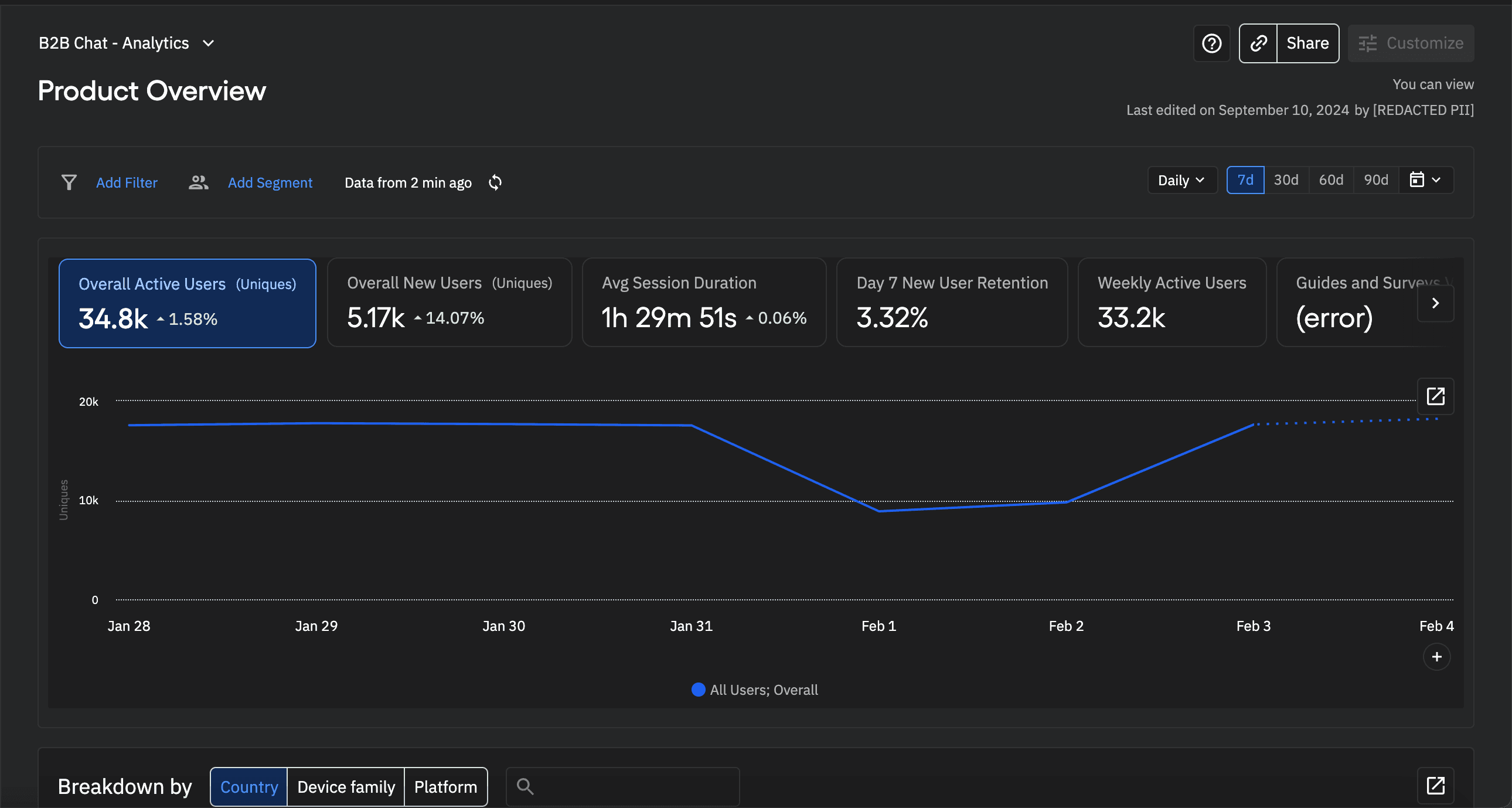
My role: Lead developer. I built the Django configuration service, the React tracking hook, and the shared event taxonomy.When analytics is “just a few events”, it stays simple. The moment multiple teams ship features across multiple apps, tracking turns into a mess: inconsistent naming, missing properties, broken dashboards, and deployments just to toggle one event.This project was built to fix that at the system level. The core is a configuration service (Python/Django) that centralizes event definitions, rules, and rollout controls. It lets teams enable/disable tracking safely, evolve the taxonomy over time, and keep data quality high without repeatedly touching product code. On the client side, a small React/Next.js integration (hook-based) makes emitting events predictable and consistent.The frontend proved full‑stack delivery: it made the integration ergonomic for product engineers, while the backend handled governance, control, and long-term scalability.
Key Features
Custom Hook-Based Event Tracking: Implemented a custom React hook (useTrackComponent) to standardize event logging across the application, making tracking easy and reusable.
Dynamic Feature Configuration: Built a feature configuration service using Python & Django, allowing teams to enable or disable specific tracking events dynamically without requiring code changes.
Modular and Reusable Tracking API: Designed a reusable event tracking API that allows different teams to log user interactions without modifying core application logic.
Amplitude Integration: Leveraged Amplitude for real-time analytics, providing insights into user behavior and application performance.
Tracking Standardization and Taxonomy: Established a clear event taxonomy to define naming conventions, event properties, and user segmentation rules, ensuring consistent data across teams.
Event Documentation and Governance: Developed comprehensive documentation detailing event structures, best practices, and integration guidelines, making it easier for teams to adopt and extend the system.
Technologies Used
React & Next.js: For fast, server-rendered React applications.
Amplitude SDK: For sending events to Amplitude and analyzing product usage.
Python & Django: For building a feature configuration service, allowing remote control over event tracking behavior.
Challenges and Learnings
One major challenge was ensuring data consistency across multiple applications while maintaining flexibility for teams to customize event tracking. This was solved by creating a structured event taxonomy and designing a hook-based solution that abstracts the tracking logic. Additionally, implementing dynamic feature configuration with Django allowed teams to manage tracking events remotely without requiring development changes.Balancing performance with real-time tracking was another key learning experience, leading to optimizations in event batching, asynchronous event handling, and backend optimizations in Django to minimize response times.
Outcome
The event tracking system is now actively used across multiple products, leading to:
More accurate and actionable analytics for product and marketing teams.
Faster development cycles, because engineers can integrate tracking through a small, consistent API.
Better cross-team collaboration thanks to a shared taxonomy and documentation.
Scalability for future projects as new features plug into the same tracking system.
Dynamic control over tracking behavior, reducing deployment overhead and supporting experimentation.